- Home
- All Filaments
- Filazoo PETG Basic Filament – Impact-Resistant, Low-Warp, 1.75mm, 1kg
Ends in
00
D
:
00
H
:
00
M
:
00
S
Filazoo PETG Basic Filament – Impact-Resistant, Low-Warp, 1.75mm, 1kg
Buy more, save more.
View bulk pricing ›
0 rolls


📍 Your location: United States
Lemon Green —Ships internationally
Estimated Sep 24 – Oct 6
Couldn't load pickup availability
Payment
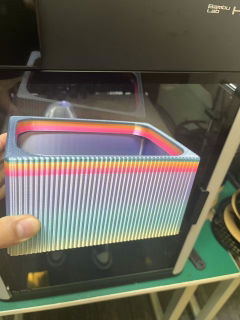
Build durable everyday parts with Filazoo PETG Basic Filament. It combines strong layer adhesion, impact resistance, low warping, and a smooth finish for dependable functional and creative printing.
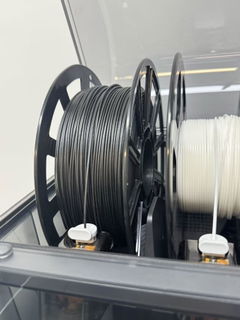
Its consistent 1.75 mm diameter and neatly wound spool support stable feeding and reliable extrusion. Choose from 26 colors for brackets, organizers, enclosures, tools, prototypes, planters, signs, and other long-lasting projects.
Key Features
- Tough, durable PETG for functional and decorative parts
- Strong layer adhesion with low warping
- Smooth surface with a subtle gloss
- Good moisture and chemical resistance for everyday use
- Consistent extrusion and dependable feeding
- Compatible with most 1.75 mm FDM/FFF printers
- Available in 26 versatile colors
Diameter:
1.75 ± 0.02 mm
Net Weight:
1 kg per spool
Recommended Nozzle Temperature:
230–250°C
Recommended Bed Temperature:
70–90°C
Care Tip:
Keep PETG sealed with fresh desiccant. If you notice popping, bubbles, excessive stringing, or a rough surface, dry the filament at 60–65°C for 6–8 hours before printing.
Build Plate Note:
PETG can bond strongly to smooth PEI or glass. Apply a thin layer of glue as a release layer where appropriate.
Share
Need to Know
Product Features
Service
- Free Shipping
- 15-Day Easy Returns
- Lifetime Product Support
Payment
Secure checkout is available with these payment methods:


FAQ
What is PETG filament?
PETG is a durable everyday material that combines easy printing, low warping, strong layer adhesion, impact resistance, and useful moisture and chemical resistance. It's the usual step up from PLA when a part has to survive real use — PLA vs. PETG vs. TPU sets out where each one belongs.
How is PETG different from PLA?
PETG is tougher, less brittle, and more heat- and moisture-resistant than PLA. PLA is easier to print for fine cosmetic detail; PETG is the better pick for durable functional parts. For the full side-by-side, see PLA vs. PETG vs. ABS or PLA vs. PETG vs. TPU.
Is PETG suitable for functional parts?
Yes. PETG's toughness, impact resistance, and strong layer bonding make it a solid choice for enclosures, brackets, fixtures, organizers, and parts that get handled daily. Our roundup of functional desk prints shows the kind of work it does well, and engineering challenges for students covers load-testing a printed part properly.
What nozzle temperature should I use for PETG?
Start at 230–250°C. For PETG Matte HF, use 230–260°C. Nudge the temperature up if layer bonding is weak or you're printing faster; bring it down if you see stringing or excess gloss. A temperature tower settles it in one print — here's how to read one.
What bed temperature should I use for PETG?
Use a heated bed at 70–90°C. A clean build surface plus a thin release layer on smooth PEI or glass gives reliable adhesion without bonding too strongly. If the first layer still misbehaves, work through our bed adhesion troubleshooting guide in order.
Does PETG need an enclosure?
No. PETG prints well in the open — just keep the printer out of strong drafts and use moderate cooling. Enclosures matter most for materials that shrink hard as they cool, which warping 101 explains in detail.
Why is my PETG stringing?
Almost always one of three things: absorbed moisture, too much nozzle heat, or untuned retraction and travel settings. Dry the spool first — how to dry filament at home covers the options — then work through retraction tuning explained before touching anything else.
How should I dry PETG?
Dry PETG at 60–65°C for 6–8 hours as soon as you notice popping, bubbles, rough surfaces, or extra stringing. Use a filament dryer or a controlled oven that holds a stable low temperature — ovens, dry boxes, and dedicated dryers compared covers what each one costs and how well it works.
How should I store an opened PETG spool?
Put the spool back in a sealed bag or dry box with fresh desiccant as soon as you finish printing, and keep it away from humidity, heat, and direct sunlight. PETG picks up moisture faster than PLA, so this matters more than you'd expect — see how to store filament properly.
Does PETG need a heated bed?
Strongly recommended. A 70–90°C bed improves first-layer adhesion and stops corners lifting on larger parts. If you're fighting lift or curl, warping 101 explains the physics, and our bed adhesion checklist covers the rest.
Should I use glue when printing PETG?
On smooth PEI or glass, yes — apply a thin glue layer as a release layer, because PETG can bond hard enough to chip the plate. On textured or PETG-rated plates, follow the plate manufacturer's guidance instead. Our bed adhesion guide covers surface prep for each plate type.
Is PETG compatible with my 3D printer?
It works with most FDM/FFF printers that take 1.75mm filament, have a heated bed, and can hold the recommended nozzle temperature. Always follow your printer and build-plate guidance. Running an AMS or multi-material unit? See setting up Filazoo filament in your AMS.
What's in the Box
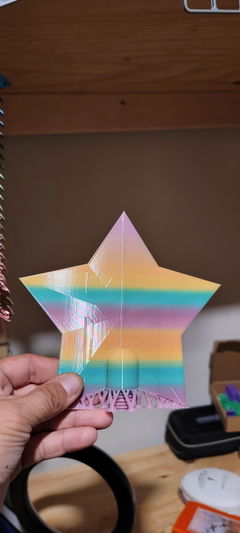
* The color and texture of the filament are subject to the physical product. Images are for reference only.